Bloating
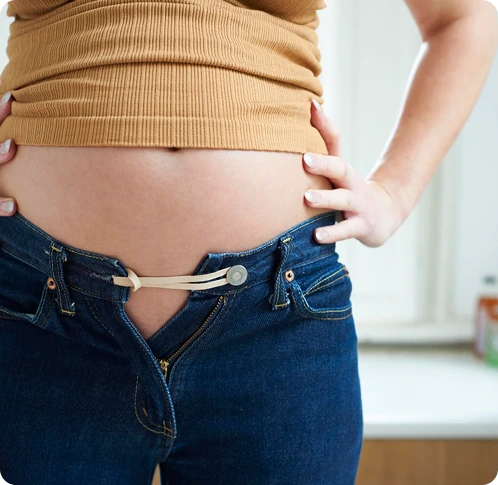
Usually accompanied by constipation, excessive gas production and retention will bring about the bloating experience, which is both visible and uncomfortable. This can be especially troublesome after a course of antibiotics, leading to what's often called antibiotic bloating.
What is Bloating?
Bloating is a common symptom of irritable bowel syndrome (IBS) that many people experience at some point in their lives. It is characterized by a feeling of discomfort or tightness in the abdominal area, often accompanied by visible swelling. This can make your stomach look and feel distended, which can be quite uncomfortable.
Bloating can be triggered by various factors, including swallowing air, eating certain foods, and an imbalance of gut bacteria. Understanding these triggers can help manage and reduce the frequency of bloating episodes, especially for those dealing with irritable bowel syndrome IBS.
Are you dealing with the discomfort of bloating and stomach aches? Understanding how to use Erceflora® can be a helpful part of your treatment for stomach aches. It works by restoring the balance of your gut flora, which can reduce gas and bloating. Erceflora® is a readily available stomach ache medicine.
What Causes Bloating?
Bloating of the stomach is not caused by excess weight; here are the 3 types you need to know about.

Gut Flora Imbalance
The ‘inflated belly’ is the kind of bloating that gets visibly worse as the day progresses. Usually caused by an intestinal flora imbalance or lazy gut syndrome.
Small intestinal bacterial overgrowth (SIBO) can also lead to bloating. Individuals with SIBO may experience symptoms such as diarrhea, weight loss, and vitamin deficiencies.

Lifestyle Factors
Abusing certain medications, especially laxatives, will create imbalance in the gut and inevitably lead to painful symptoms of lazy Bloating of the lower belly can be triggered by a monotonous diet, recently giving birth or overexertion during exercise.
%20(1).2025-12-16-16-45-07.svg)
Stress Belly
Excessive stress, unhealthy eating, frequently missing meals and consuming excessive caffeine can cause this type of bloating.
Food allergies involve an immune system overreaction to specific foods and can be severe, potentially leading to anaphylaxis. Keeping a food diary may help identify symptoms related to food allergies.
How to Recognize Bloating
Bloating is rarely unaccompanied, and one or more of the following symptoms will usually make an appearance in your day.
Abdominal Pain
Bloating puts immense pressure on the gut and surrounding organs. Moderate to severe abdominal pain and physical sensitivity are to be expected.

Diarrhea
Diarrhea due to imbalanced bacteria in the small intestine can increase gas production, further affecting bloating levels.

Nausea & Heartburn
A swollen gut feels full and pressurized, often fueling the sensation of acid-reflux.
Bloating: Tips & Remedies
Bloating has become such a common experience for some people, they don’t even regard it as an irregularity. Your body is asking for help, and here’s what you can do:

.2025-12-15-14-02-04.svg)
Get your body moving
Physical activities can help move your bowels, in turn releasing any excess gas or stool. Even a brisk walk or some light yoga poses can help!
.2025-12-15-14-04-28.svg)
Give yourself an abdominal massage
Applying pressure over the large intestine can help to get the bowels moving, relieving gas in the process.
.2025-12-15-14-08-12.svg)
Ditch the gum
Sugar alcohols in chewing gum contribute to gas in most people. What’s more, swallowing air whilst chewing may increase bloating levels.
Bloating can be a common symptom of food allergies or intolerances. If you frequently experience bloating, it's worth considering whether a particular food might be triggering it. Additionally, using Erceflora® for stomach aches can help manage symptoms by restoring balance to your gut flora and reducing discomfort.
Keeping a food diary and noting when bloating occurs can help identify potential triggers. If you suspect a food allergy or intolerance, it's advisable to consult a doctor or registered dietitian for guidance.
How to Prevent Bloating
Believe it or not, bloating is not “just one of those things”. You can live free of this repetitive condition!
.2026-03-09-15-45-48.webp)
You can take a food supplement to reduce intestinal swelling
A daily intake of specific plant extracts and probiotics will promote intestinal motility, leaving fewer opportunities for bloating to occur. If you're looking for bloated stomach medicine, consider Erceflora®.
Start eating at more regular intervals
The gut loves a routine, so try to enjoy your meals at the same time everyday. By doing this, your digestive process will have opportunity to regulate.
When to See a Doctor for Abdominal Pain
While occasional bloating is usually not a cause for concern, certain symptoms warrant medical attention. You should seek help from a healthcare professional if you experience:
- Severe abdominal pain that doesn’t go away
- Vomiting blood or passing black, tarry stools
- Diarrhea or constipation that persists for more than a few days
- A fever above 101.5°F (38.6°C)
- Signs of dehydration, such as excessive thirst, dark urine, or decreased urine output
- A history of inflammatory bowel disease (IBD), celiac disease, or other gastrointestinal disorders
- It’s also crucial to consult a doctor if your bloating is severe, persistent, or accompanied by other symptoms like abdominal pain, nausea, or vomiting.
A healthcare professional can help determine the underlying cause of your bloating and develop a treatment plan to alleviate your symptoms. This is especially important for those with conditions like irritable bowel syndrome, as proper management can significantly improve quality of life.
Frequently Asked Questions
When left untreated, bloating can gradually escalate to intolerable levels. You’ve probably got a few questions for us; check out our FAQ.
What caused my bloated stomach?
Bloating is attributed to a number of different causes, namely: bacterial infection, fluid retention, intolerance to foods or disturbance to natural digestive movements. Sometimes, antibiotics can disrupt gut flora and lead to bloating, diarrhea, and gas.
Can I prevent stomach bloating?
The best ways to prevent bloating are to either figure out which foods trigger your gas production, or to take a daily supplement rich in digestive enzymes. Probiotics can also be helpful, especially for those experiencing bloating.
How do I get rid of my bloated stomach?
De-bloating can be done through diet, but this is rarely fast-acting relief.
Our Products
Erceflora® aims to prevent or help recover from a number of conditions associated to poor intestinal wellbeing as a result of imbalance microbiota for both kids and adults.
Gut disorders triggered by one or more of these scenarios can be prevented by taking Erceflora® Gut Defense daily. Symptoms can also be alleviated by taking Erceflora® Gut Restore as soon as they manifest.
-optimized.be3dd197f30d3bf520107c0b2874ad67.webp)
.2026-01-26-15-53-58.webp)
Stay Informed
Getting to know your gut, and identifying your personal triggers, is the first step to better intestinal health. Stay informed as to how gut microbiota become negatively affected by everything from traveling to seasonal changes, and how to bring about internal balance to your life.