
Do Probiotics Help Prevent Digestive Issues in Children?
- Gut disorder kids
Creation: 28 Sep 2026
Last update: 19 Nov 2026
Probiotics may help support kids’ digestion by promoting a healthy balance of gut bacteria. This article explains how probiotics work, their potential benefits for common tummy troubles, what parents should look for, and when to seek medical advice.
Probiotics for kids’ digestion may help support a balanced gut, which can play a role in easing common tummy troubles like loose stools, constipation, and bloating [1]. While probiotics are not a cure, many Filipino parents turn to them as a gentle way to support their child's digestive comfort and overall gut health for kids.
Below, we explore what probiotics are, how they work, and what parents in the Philippines should know before adding them to a child's routine.
What Are Probiotics?
Probiotics are live, beneficial bacteria that naturally live in the digestive system 2. Often called "good bacteria," they help keep the gut balanced by supporting digestion and crowding out less helpful microbes 3.
Children get probiotics from certain foods and supplements. Common sources include:
-
Drinks with live cultures
-
Fermented foods
-
Probiotic supplements formulated for children
A healthy mix of good bacteria supports the way the body breaks down food, absorbs nutrients, and maintains regular bowel movements 3.
How Do Probiotics Support Kids' Digestion?
Probiotics for kids’ digestion work by helping maintain a healthy balance of bacteria in the gut. When this balance is disrupted—by illness, diet changes, or antibiotics—children may experience stomach discomfort 4.
Here's how good bacteria may help:
-
Support regular digestion: A balanced gut may help promote smoother, more regular bowel movements.
-
Help during diet changes: New foods or travel can upset a child's tummy, and probiotics may help the gut adjust.
-
Support gut balance after antibiotics: Antibiotics can reduce good bacteria, and probiotics may help restore balance 4.
These benefits explain why many parents consider probiotics for kids when thinking about everyday digestive wellness.
Can Probiotics Help Prevent Stomach Problems in Children?
Probiotics may help support the gut's natural defenses, which can play a part in keeping the digestive system comfortable 3. While they cannot guarantee your child will never get sick, maintaining good gut health for kids may help the body manage common digestive upsets 1.
Some parents also ask whether probiotics can help prevent stomach infections in children. While probiotics are not a substitute for proper hygiene, safe food handling, or medical care, they may help support a healthy balance of gut bacteria that contributes to digestive health.
To help prevent stomach problems in children, parents often combine probiotics with healthy habits, such as:
-
A balanced diet rich in fruits, vegetables, and fiber
-
Plenty of clean drinking water
-
Regular handwashing and good hygiene
-
Adequate sleep and physical activity
Probiotics are best viewed as one part of a healthy lifestyle, not a stand-alone solution.
What Should Filipino Parents Look for in a Probiotic?
When choosing a probiotic for your child, it helps to consider products designed with kids in mind. Parents in the Philippines may want to look for:
-
Child-friendly formats: Drops, sachets, or flavored options that are easy to take.
-
Clear instructions: Age-appropriate guidance on how much to give.
-
Trusted brands: Products from established companies familiar to Filipino families.
It's always a good idea to talk to your pediatrician or pharmacist before starting any new supplement, especially for younger children or those with existing health conditions 1.
When Should You Talk to a Doctor?
Probiotics may support everyday digestion, but they are not a replacement for medical care. Consult your child's doctor if your child experiences:
-
Persistent diarrhea or constipation
-
Severe stomach pain
-
Signs of dehydration
-
Symptoms that don't improve or get worse
A healthcare professional can help identify the cause and recommend the right approach for your child.
Conclusion
Supporting your child's digestion starts with simple, consistent habits—and probiotics for kids' digestion can be a helpful part of that routine. By promoting a balanced gut, probiotics may help ease everyday tummy troubles and support your child's comfort as they grow and explore new foods.
For Filipino families looking for a trusted option, Erceflora offers probiotic products designed to help support children's gut balance and digestive wellness. As always, pair probiotics with a healthy diet, good hygiene, and guidance from your pediatrician to give your child the best support for a happy, healthy tummy.
MAHALAGANG PAALALA: ANG ERCEFLORA GUT DEFENSE AT ERCEFLORA GUT RESTORE AY HINDI GAMOT AT HINDI DAPAT GAMITING PANGGAMOT SA ANUMANG URI NG SAKIT.
MAT-PH-2601030 / Ver 1.0 / DA 07-2026 / DM 07-2026
Opella Healthcare Philippines Inc.
FAQs
Are probiotics safe for children?
How Long Does It Take for Probiotics to Work in Kids?
The time it takes varies from child to child and depends on the reason for use. Some parents may notice improvements within a few days, while supporting overall gut balance can take longer.
With Erceflora® products, which contain Bacillus clausii INTELLI-SPORES®, you may see effects within 1 to 3 days of starting use. Because every child is different, individual results can vary. For young children in particular, it's a good idea to consult your doctor or pharmacist about what to expect 5.
Can I Give My Child Erceflora Probiotics During Diarrhea?
Some parents use Erceflora probiotics to help support gut balance during digestive upsets, including diarrhea. Erceflora® Gut Restore is designed to help restore intestinal flora during periods of imbalance.
Bacillus clausii, the active ingredient in Erceflora®, has been studied as an adjunctive approach alongside standard care for acute diarrhea in children. However, diarrhea in young children can lead to dehydration and may require medical attention. Consult with your doctor or pharmacist for the right product and dosage for your child, particularly for infants and toddlers 5.
Can Probiotics Be Taken Every Day?
Yes, many probiotic products are designed for daily use. Erceflora Gut Defense, for example, can be taken once daily as part of a regular gut health routine for anyone above six months of age. Recommended use may differ depending on the product and your child's needs. Always follow the instructions on the packaging and check with your doctor or pharmacist about what is appropriate for your child.
What Are Probiotics and How Do They Support Kids' Digestion?
Probiotics are beneficial microorganisms that naturally live in the gut and may help support digestion and a balanced gut environment. In children, a balanced gut may help ease occasional digestive discomfort.
Erceflora probiotics contain Bacillus clausii INTELLI-SPORES, spore-based probiotics designed to reach the intestines alive, where they may help support the balance of gut flora. Responses can differ from child to child, so consult a healthcare professional for advice tailored to your little one.
Is Erceflora Safe for Children?
Erceflora probiotics are available without a prescription and are formulated for both children and adults, with Erceflora Gut Defense suitable for ages above six months. The vials are gluten free, lactose free, and sugar free, with no refrigeration needed.
As with any product, some children may experience mild effects such as stomach discomfort or bloating. Erceflora may not be suitable for children who are immunocompromised or who have a sensitivity to any of the ingredients. For persistent symptoms or a change in bowel habits lasting more than two weeks, consult your doctor or pharmacist.
Learn more
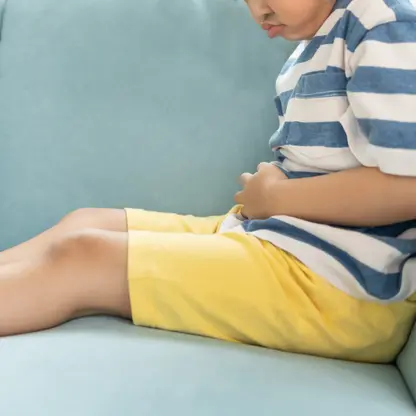
- Gut-disorder-kids
How to Relieve Digestive Discomfort in Kids Safely
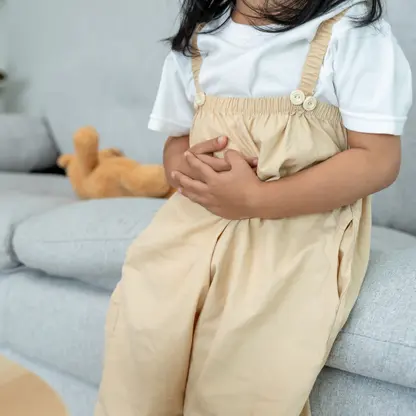
- Diarrhea
Common Causes of Diarrhea in Children During Monsoon Season

- Gut-disorder-kids
What Causes Bloating, Gas, and Digestive Discomfort in Children?

- Gut disorder kids
Diarrhea’s Impact on Health
Leaky gut is common in kids when the intestinal flora is unbalanced, making them vulnerable to infectious diseases like diarrhea.
Find your product


References
- Depoorter, L., & Vandenplas, Y. (2021). Probiotics in pediatrics. A review and practical guide. Nutrients, 13(7), 2176. https://doi.org/10.3390/nu13072176
- Hill, C., Guarner, F., Reid, G., Gibson, G. R., Merenstein, D. J., Pot, B., Morelli, L., Canani, R. B., Flint, H. J., Salminen, S., Calder, P. C., & Sanders, M. E. (2014). Expert consensus document: The International Scientific Association for Probiotics and Prebiotics consensus statement on the scope and appropriate use of the term probiotic. Nature Reviews Gastroenterology & Hepatology, 11(8), 506–514. https://doi.org/10.1038/nrgastro.2014.66
- Wilkins, T., & Sequoia, J. (2017). Probiotics for gastrointestinal conditions: A summary of the evidence. American Family Physician, 96(3), 170–178. https://www.aafp.org/pubs/afp/issues/2017/0801/p170
- Guo, Q., Goldenberg, J. Z., Humphrey, C., El Dib, R., & Johnston, B. C. (2019). Probiotics for the prevention of pediatric antibiotic-associated diarrhea. Cochrane Database of Systematic Reviews, 2019(4), CD004827. https://doi.org/10.1002/14651858.CD004827.pub5
- Guarino, A., Guandalini, S., & Lo Vecchio, A. (2015). Probiotics for prevention and treatment of diarrhea. Journal of Clinical Gastroenterology, 49(Suppl 1), S37–S45. https://doi.org/10.1097/MCG.0000000000000349