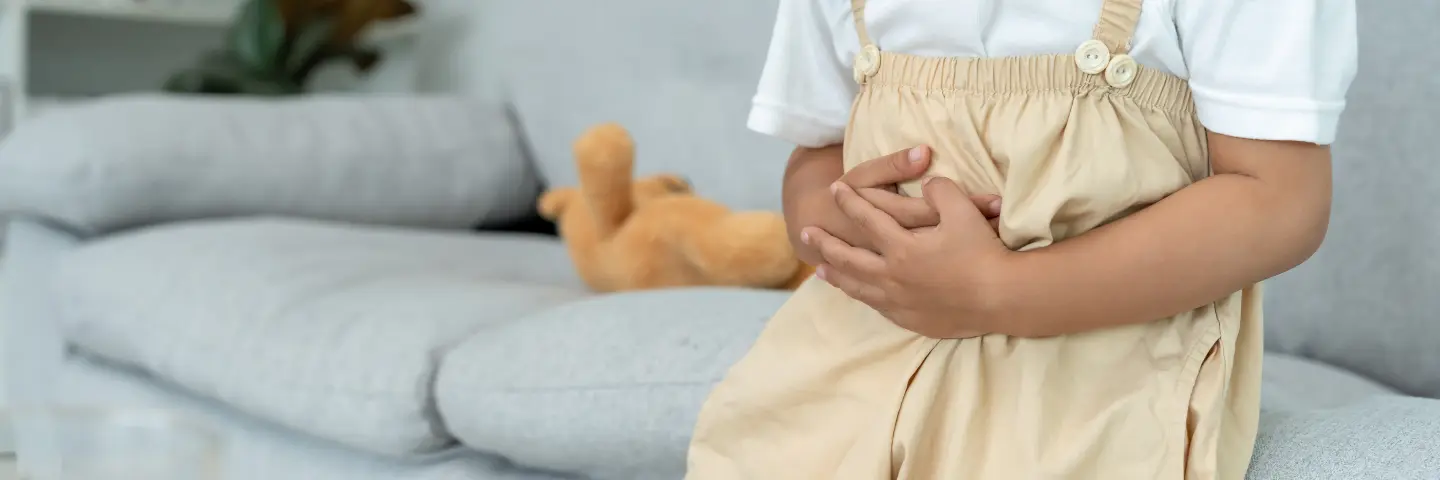
Common Causes of Diarrhea in Children During Monsoon Season
- Diarrhea
- Gut disorder kids
Creation: 13 Sep 2026
Last update: 13 Sep 2026
Diarrhea is more common in children during the rainy season due to contaminated water, unsafe food, poor hygiene, and the increased spread of germs. This article explains the main causes, prevention tips, hydration strategies, and ways to support your child’s digestive health.
The most common causes of diarrhea in children during the rainy season are contaminated water, unsafe food, poor hand hygiene, and increased exposure to bacteria and viruses that thrive in wet weather. During the Philippine monsoon (or tag-ulan), these factors combine to make loose stools in children a frequent concern for many families.
If your little one has been having more frequent trips to the bathroom lately, you're not alone. Diarrhea in kids during monsoon season is one of the most common health issues parents face once the rains arrive. Understanding why it happens is the first step toward keeping your child comfortable and protected.
What Is Diarrhea in Children?
Diarrhea is the passing of loose, watery stools three or more times a day. In children, it can sometimes come with stomach cramps, mild fever, or a reduced appetite. While many cases are mild and resolve on their own, diarrhea can lead to dehydration if fluids are not replaced, which is the main reason children are admitted to the hospital for acute gastroenteritis 1.
For this reason, it's important for parents to monitor their child closely. Some of the most important signs of dehydration in children with diarrhoea include a dry mouth, reduced urination, unusual sleepiness, dizziness, and crying with few or no tears. If you notice these symptoms, seek medical advice promptly.
Why Do Kids Get Diarrhea During the Rainy Season?
Children get diarrhea more often during the rainy season because heavy rains and flooding can contaminate water and food supplies, while humidity helps germs multiply faster. Young children are especially vulnerable because their immune systems are still developing, and they often touch surfaces and put their hands in their mouths.
Here are the most common reasons why kids get diarrhea once the tag-ulan season begins.
1. Contaminated Drinking Water
Flooding and heavy rain can mix dirty water with clean water sources. When children drink water that contains harmful bacteria, viruses, or parasites, it can quickly upset their stomach and lead to loose stools 2.
Essential Tip: Offer your child clean, boiled, or properly filtered water, especially during heavy downpours.
2. Unsafe or Spoiled Food
Warm, humid weather allows food to spoil faster. Street food, improperly stored leftovers, and food exposed to flies can all carry germs that trigger diarrhea in kids during monsoon season 2.
Essential Tip: Serve freshly cooked meals and avoid leaving food at room temperature for too long.
3. Poor Hand Hygiene
Children love to play, and during the rainy season they may come into contact with muddy or flooded areas. Without proper handwashing, germs can easily travel from their hands to their mouths 2.
Essential Tip: Teach kids to wash their hands with soap and water before eating and after using the toilet.
4. Increased Spread of Viruses and Bacteria
Rotavirus and other common germs spread more easily in crowded, damp conditions. In fact, viral infection is the most common cause of acute diarrhea in children 3. Schools and play areas can become hotspots for these infections during the wet season.
Essential Tip: Keep your child's surroundings clean and encourage healthy hygiene habits at home and in school.
5. Flooding and Poor Sanitation
In areas affected by flooding, sanitation systems can become overwhelmed. This raises the risk of exposure to contaminated water and surfaces, which contributes to loose stools in children during the rainy season 2.
Essential Tip: Avoid letting children play in flood water, which often carries harmful germs.
How to Help Prevent Diarrhea in Children During Rainy Season
Parents often ask how to prevent monsoon stomach infections in kids. Preventing diarrhea in children during the rainy season focuses on clean water, safe food, and good hygiene. Simple daily habits can make a big difference in protecting your child during the monsoon months.
-
Provide safe water: Boil or filter drinking water during heavy rains.
-
Practice food safety: Serve freshly cooked, properly stored meals.
-
Encourage handwashing: Make it a routine before meals and after play.
-
Keep surroundings clean: Disinfect frequently touched surfaces.
-
Stay hydrated: Offer plenty of fluids if your child has loose stools.
If symptoms continue, worsen, or are accompanied by signs of dehydration, consult a doctor or pharmacist for proper advice.
The Bottom Line on Rainy Season Diarrhea in Children
Rainy season diarrhea in children is common, and as a parent, you have more control than you might think. Simple habits go a long way, clean drinking water, properly prepared food, and regular handwashing can help lower your child's risk during the tag-ulan season.
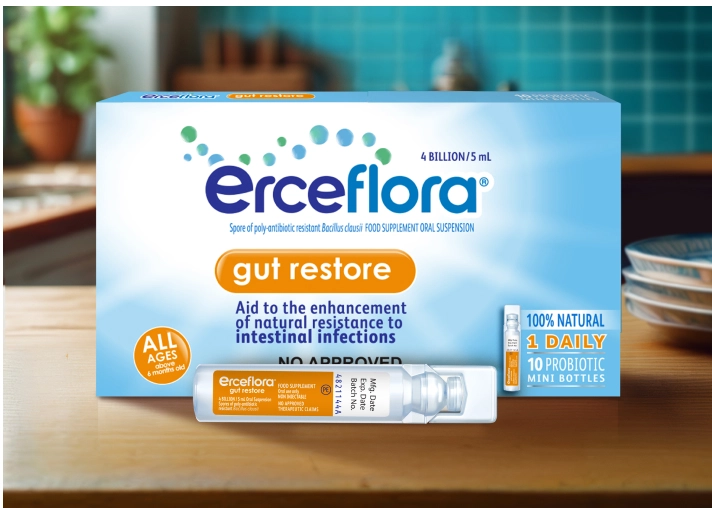
But what if the loose stools still show up? Don't panic. When diarrhea happens, keeping your little one hydrated and supporting their digestive health becomes your top priority. This is where good gut bacteria come in. An Erceflora probiotic may help support the natural balance of beneficial bacteria in your child's gut and may help shorten how long diarrhea lasts.
A quick recap for busy parents:
-
Prevent when you can: safe water, clean food, and good hygiene
-
Keep them hydrated if diarrhea starts
-
Consider gut support: an Erceflora probiotic may help restore good bacteria
-
Always check with a pro: your doctor or pharmacist knows your child best
Every child is different, so responses can vary. Before giving any probiotic, talk with your doctor or pharmacist to make sure it's right for your child and follow the directions on the label. For symptoms that are severe or won't let up, reach out to your healthcare provider right away.
With a little care and the right support, you can help your family stay well throughout the tag-ulan season, one healthy tummy at a time.
MAHALAGANG PAALALA: ANG ERCEFLORA GUT DEFENSE AT ERCEFLORA GUT RESTORE AY HINDI GAMOT AT HINDI DAPAT GAMITING PANGGAMOT SA ANUMANG URI NG SAKIT.
MAT-PH-2601030 / Ver 1.0 / DA 07-2026 / DM 07-2026
Opella Healthcare Philippines Inc.
FAQs
When should I bring my child to the doctor for diarrhea?
You should consult a doctor if your child has diarrhea that lasts more than a few days, shows signs of dehydration, has a high fever, or seems unusually weak. Severe vomiting and the inability to keep fluids down are also key reasons children need medical care. A healthcare professional can recommend the right care, and products like Erceflora may be discussed as part of managing symptoms when advised.
Can Erceflora help with diarrhea in children?
Erceflora is a probiotic that may help support a healthy balance of good bacteria in your child's digestive system. Probiotics are recognized as a first-line option alongside rehydration and have been shown to reduce the duration of diarrhea by about one day 4. It's always best to consult your doctor or pharmacist to confirm if Erceflora is suitable for your child and to follow the recommended use.
How can I keep my child hydrated during diarrhea?
Offer small, frequent sips of clean water, oral rehydration solution (ORS), or other safe fluids throughout the day. Oral rehydration is the recommended first step for mild-to-moderate dehydration and works just as well as intravenous fluids for most children 5. Keeping your child hydrated is important during episodes of loose stools, and you may also ask your pharmacist about supportive options like Erceflora.
Are probiotics effective for all types of childhood diarrhea?
Probiotics tend to be most helpful for watery diarrhea caused by viruses, such as rotavirus, and often work best when started early in the illness 3. As recognized food supplements, certain probiotics may support intestinal health in several ways, including enhancing intestinal ecology, improving lactose malabsorption, improving digestion, and enhancing natural resistance to intestinal infections. Because their benefits are strain-dependent, it's worth asking your doctor or pharmacist which option may be right for your child.
Can I prevent rotavirus diarrhea in my child?
Yes. Good hygiene, clean water, and safe food all help reduce the spread of rotavirus, and vaccination has been shown to significantly lower diarrhea-related hospitalizations in children 6. Speak with your pediatrician about whether rotavirus vaccination is appropriate for your child.
Learn more
- Gut-disorder-kids
What Causes Bloating, Gas, and Digestive Discomfort in Children?
- Gut disorder kids
Diarrhea’s Impact on Health
Leaky gut is common in kids when the intestinal flora is unbalanced, making them vulnerable to infectious diseases like diarrhea.
- Gut disorder kids
Dealing with Bellyache
Bellyache is a common occurrence in little ones; the array of triggers for this condition are immense. Learn how to identify and treat them.
Find your product
-optimized.be3dd197f30d3bf520107c0b2874ad67.webp)
.2026-01-26-14-53-58.webp)
References
- Bruzzese, E., Lo Vecchio, A., & Guarino, A. (2013). Hospital management of children with acute gastroenteritis. Current Opinion in Gastroenterology, 29(1), 23–30. https://doi.org/10.1097/MOG.0b013e32835a352f
- World Health Organization. (2017). Diarrhoeal disease. World Health Organization. https://www.who.int/news-room/fact-sheets/detail/diarrhoeal-disease
- Szajewska, H., & Mrukowicz, J. Z. (2005). Use of probiotics in children with acute diarrhea. Pediatric Drugs, 7(2), 111–122. https://doi.org/10.2165/00148581-200507020-00004
- Guarino, A., Guandalini, S., & Lo Vecchio, A. (2015). Probiotics for prevention and treatment of diarrhea. Journal of Clinical Gastroenterology, 49(Suppl 1), S37–S45. https://doi.org/10.1097/MCG.0000000000000349
- Guarino, A., Ashkenazi, S., Gendrel, D., Lo Vecchio, A., Shamir, R., & Szajewska, H. (2014). European Society for Pediatric Gastroenterology, Hepatology, and Nutrition/European Society for Pediatric Infectious Diseases evidence-based guidelines for the management of acute gastroenteritis in children in Europe: Update 2014. Journal of Pediatric Gastroenterology and Nutrition, 59(1), 132–152. https://doi.org/10.1097/MPG.0000000000000375
- Tate, J. E., Burton, A. H., Boschi-Pinto, C., & Parashar, U. D. (2016). Global, regional, and national estimates of rotavirus mortality in children <5 years of age, 2000–2013. Clinical Infectious Diseases, 62(Suppl 2), S96–S105. https://doi.org/10.1093/cid/civ1013