
How to Relieve Digestive Discomfort in Kids Safely
- Gut disorder kids
Creation: 25 Sep 2026
Last update: 14 Oct 2026
Digestive discomfort in kids is often caused by mild infections, food sensitivities, overeating, or stress. This article shares safe home remedies, prevention tips, warning signs that require medical attention, and how probiotics may help support healthy digestion.
Helping relieve digestive discomfort in kids often starts with simple, gentle care at home. Keeping your child hydrated, offering easy-to-digest foods, encouraging rest, and watching for warning signs can all help ease tummy troubles2, 5. While most digestive issues in children are mild and go away on their own, knowing how to respond can help your little one feel better sooner 2,5.
For many Filipino families, an upset tummy is a common worry, especially with our love for street food, festive handaan, and busy school days. This guide walks you through safe, practical ways to help your child find comfort, plus tips on when it's time to consult your pediatrician.
What causes digestive discomfort in kids?
Digestive discomfort in children is often caused by something they eat, mild infections, eating too quickly, or anxiety. In most cases, discomfort is temporary and not serious 1.
Common triggers include:
-
Eating too much or too fast, especially during birthdays and family gatherings
-
Spoiled or contaminated food, which can be a concern in hot, humid weather
-
Food sensitivities, such as reactions to dairy or fatty foods
-
Gas and bloating from carbonated drinks or certain vegetables
-
Stress or nervousness, like jitters before a school exam
Understanding the cause can help you choose the gentlest way to provide stomach pain relief for kids.
What are safe home remedies for an upset stomach in children?
Safe home remedies for an upset stomach include offering plenty of fluids, serving bland foods, and letting your child rest. These simple steps support your child's natural recovery without harsh measures 2.
Here are gentle, parent-approved tips:
-
Keep them hydrated: Offer water, oral rehydration solution, or clear soups in small, frequent sips. This is especially important if your child has loose stools 2.
-
Try the BRAT-style foods: Bananas (saging), rice (kanin), applesauce, and toast are easy on the tummy and widely available in Filipino homes.
-
Serve smaller meals: Large portions can overwhelm a sensitive stomach, so offer light meals throughout the day.
-
Encourage rest: A little downtime helps the body recover and eases discomfort.
-
Apply gentle warmth: A warm compress on the tummy may help soothe mild cramps.
-
Avoid greasy and sugary foods: Skip fried and very sweet treats until your child feels better.
These approaches make a reliable upset stomach remedy children can tolerate well, helping them ease back into their usual routine.
How can you prevent digestion problems in kids?
You can help prevent digestion problems in kids by encouraging healthy eating habits, proper handwashing, and regular meals. Prevention is often the easiest way to keep tummy troubles away 3.
Many parents wonder how to improve their child's gut health naturally. Everyday habits such as offering balanced meals, encouraging hydration, maintaining physical activity, and practicing good hygiene can help support a healthy digestive system. Practical prevention tips for Filipino families:
-
Wash hands before meals, particularly after playing outside or before eating kakanin and finger foods 3.
-
Choose freshly cooked food and avoid items left out too long in warm weather.
-
Encourage slow eating and proper chewing during family meals.
-
Limit sugary drinks like sodas and sweetened juices.
-
Build a routine with regular meal and snack times.
Small, consistent habits go a long way toward keeping your child's digestion comfortable.
When should you see a doctor?
You should consult a pediatrician if your child's discomfort is severe, lasts more than a couple of days, or comes with worrying symptoms. Trust your instincts as a parent—when in doubt, seek professional advice.
Watch for these signs and consult a doctor promptly:
-
Persistent or worsening tummy pain
-
High fever
-
Repeated vomiting or signs of dehydration (dry lips, less urination, no tears when crying)
-
Blood in stool or vomit
-
Pain that interferes with eating, sleeping, or daily play
If your child frequently has digestive discomfort and is not gaining weight as expected, poor digestion or another underlying issue may be contributing to their symptoms. A pediatrician can help determine the cause. A healthcare professional can properly assess your child and recommend the right care for your kids.
How do probiotics support a child's digestive health?
Probiotics are live microorganisms that, when given in adequate amounts, may confer a health benefit on the host, including support for gut health 4. In simpler terms, they're "good bacteria" that may help support a healthy balance in your child's gut—which can play a role in keeping digestion running more comfortably.
Probiotics may be particularly helpful when the gut's natural balance gets disrupted, such as after a tummy upset or a course of antibiotics. Supporting that balance may also play a role in your child's overall well-being 4.
Some parents also ask whether probiotics can help prevent stomach infections in children. While probiotics are not a substitute for proper hygiene, safe food handling, and medical care, they may help support a healthy balance of gut bacteria that contributes to digestive health. Every child is different, and responses can vary. If your child has ongoing or unclear digestive symptoms, consult your pediatrician or pharmacist for advice tailored to your little one.
Conclusion
Helping your child through tummy troubles doesn't have to be stressful. With simple steps like hydration, gentle foods, rest, and good hygiene, you can offer safe and effective digestive discomfort relief for kids at home.
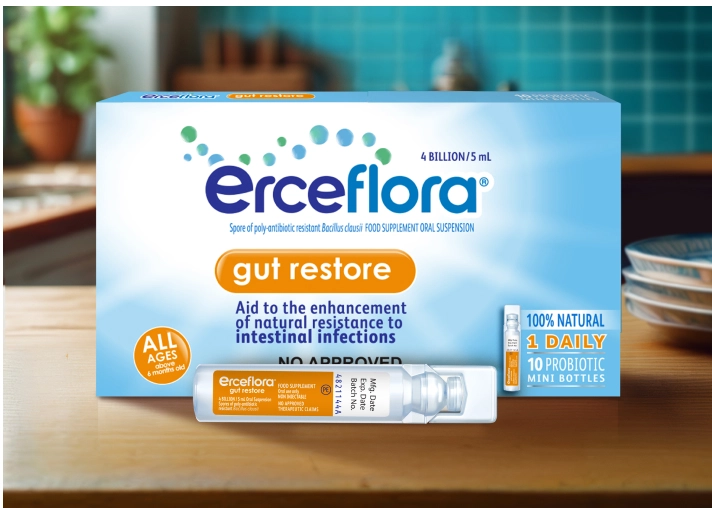
As part of supporting your child's digestive wellness, Erceflora offers probiotic options that many Filipino parents trust to help maintain a healthy gut. Remember to always read the label, follow directions, and consult your doctor or pharmacist to find the best care for your little one.
MAHALAGANG PAALALA: ANG ERCEFLORA GUT DEFENSE AT ERCEFLORA GUT RESTORE AY HINDI GAMOT AT HINDI DAPAT GAMITING PANGGAMOT SA ANUMANG URI NG SAKIT.
MAT-PH-2601030 / Ver 1.0 / DA 07-2026 / DM 07-2026
Opella Healthcare Philippines Inc.
FAQs
How can Erceflora help with my child's upset stomach?
Erceflora is a probiotic brand designed to help support healthy gut flora, which plays a role in digestion. For the right product and dosage for your child's age, always read the label and consult your pediatrician or pharmacist.
Is Erceflora safe for children?
Erceflora offers products formulated with children in mind, and many parents in the Philippines turn to probiotics to support their kids' digestive health. Always follow the product instructions and seek advice from a healthcare professional before giving any supplement to your child.
What should I feed my child during an upset stomach?
If your child is having an upset stomach, you can offer bland, easy-to-digest foods such as bananas, rice, applesauce, and toast, along with plenty of fluids. Make sure to avoid greasy, spicy, or very sugary foods until your child feels better.
How long does digestive discomfort usually last in kids?
Most mild digestive discomfort in children improves with supportive care, including hydration, rest, and age-appropriate foods. Good hand hygiene also plays an important role in helping prevent diarrheal illness 2, 3, 5. If symptoms persist beyond two to three days, become more severe, or are accompanied by other concerning signs, consult your pediatrician.
Are probiotics safe to give children for digestive issues?
Yes. Probiotics have a long record of safety, and serious side effects in children are extremely rare. Even so, parents should consult a pediatrician or pharmacist before starting any supplement.
Can probiotics help prevent diarrhea in children?
Yes. Research suggests that certain probiotic strains can modestly reduce the risk and duration of some forms of diarrhea in children, though effects are strain-specific 5. A healthcare professional can recommend the most appropriate option for your child.
Learn more
- Diarrhea
Common Causes of Diarrhea in Children During Monsoon Season
- Gut-disorder-kids
What Causes Bloating, Gas, and Digestive Discomfort in Children?

- Gut disorder kids
Diarrhea’s Impact on Health
Leaky gut is common in kids when the intestinal flora is unbalanced, making them vulnerable to infectious diseases like diarrhea.
- Gut disorder kids
Dealing with Bellyache
Bellyache is a common occurrence in little ones; the array of triggers for this condition are immense. Learn how to identify and treat them.
Find your product
-optimized.be3dd197f30d3bf520107c0b2874ad67.webp)
.2026-01-26-15-53-58.webp)
References
- Guarner, F., Sanders, M. E., Eliakim, R., Fedorak, R., Gangl, A., Garisch, J., Kaufmann, P., Karakan, T., Khan, A. G., Kim, N., de Paula, J. A., Ramakrishna, B., Shanahan, F., Szajewska, H., Thomson, A., & Le Mair, A. (2017). Probiotics and prebiotics. Journal of Clinical Gastroenterology, 51(6), 467–470. https://doi.org/10.1097/MCG.0000000000000845
- World Health Organization. (2005). The treatment of diarrhoea: A manual for physicians and other senior health workers (4th rev.). World Health Organization. https://www.who.int/publications/i/item/9241593180
- Ejemot-Nwadiaro, R. I., Ehiri, J. E., Arikpo, D., Meremikwu, M. M., & Critchley, J. A. (2021). Hand-washing promotion for preventing diarrhoea. Cochrane Database of Systematic Reviews, 2021(1), CD004265. https://doi.org/10.1002/14651858.CD004265.pub4
- Vandenplas, Y., Huys, G., & Daube, G. (2015). Probiotics: An update. Jornal de Pediatria, 91(1), 6–21. https://doi.org/10.1016/j.jped.2014.08.005
- Guarino, A., Ashkenazi, S., Gendrel, D., Lo Vecchio, A., Shamir, R., & Szajewska, H. (2014). European Society for Pediatric Gastroenterology, Hepatology, and Nutrition/European Society for Pediatric Infectious Diseases evidence-based guidelines for the management of acute gastroenteritis in children in Europe: Update 2014. Journal of Pediatric Gastroenterology and Nutrition, 59(1), 132–152. https://doi.org/10.1097/MPG.0000000000000375